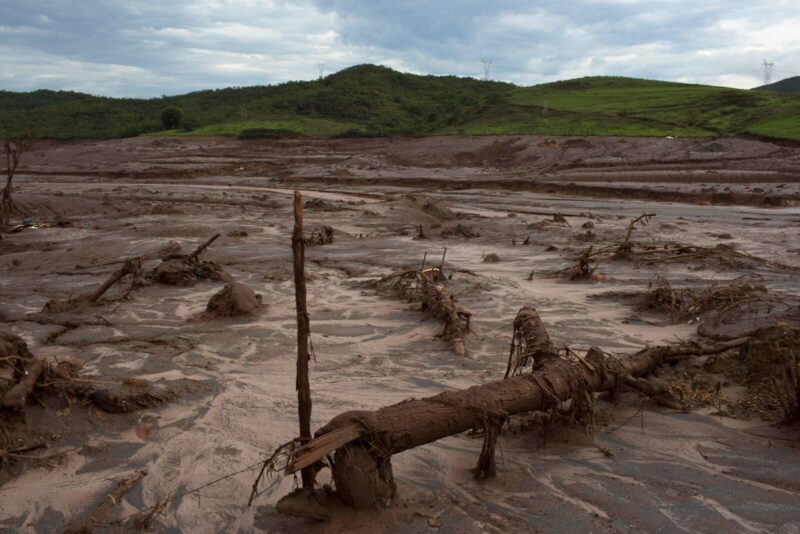
The legal battle connected to the Brazil dam disaster continues to gain worldwide attention as courts examine one of the largest environmental compensation claims in history. The collapse of the Fundão dam in Mariana, Brazil, caused catastrophic damage to nearby communities and ecosystems, leaving thousands of people dealing with long term consequences. Today, the ongoing lawsuit involving BHP and the international law firm Pogust Goodhead remains a major topic in discussions about corporate responsibility and environmental justice.
The Ongoing Legal Process

The damages trial has become one of the most closely followed international legal proceedings related to environmental destruction. Pogust Goodhead represents a large number of Brazilian claimants who argue that compensation efforts have not fully addressed the losses suffered after the disaster. The legal team continues to push for accountability from BHP, one of the companies connected to the mining operation involved in the dam collapse.
The current Class action case focuses on determining the level of financial damages that could potentially be awarded to affected individuals, businesses, and local authorities. Legal experts believe the outcome may shape how multinational corporations are treated in future cross border environmental disputes.
What Happened In Mariana
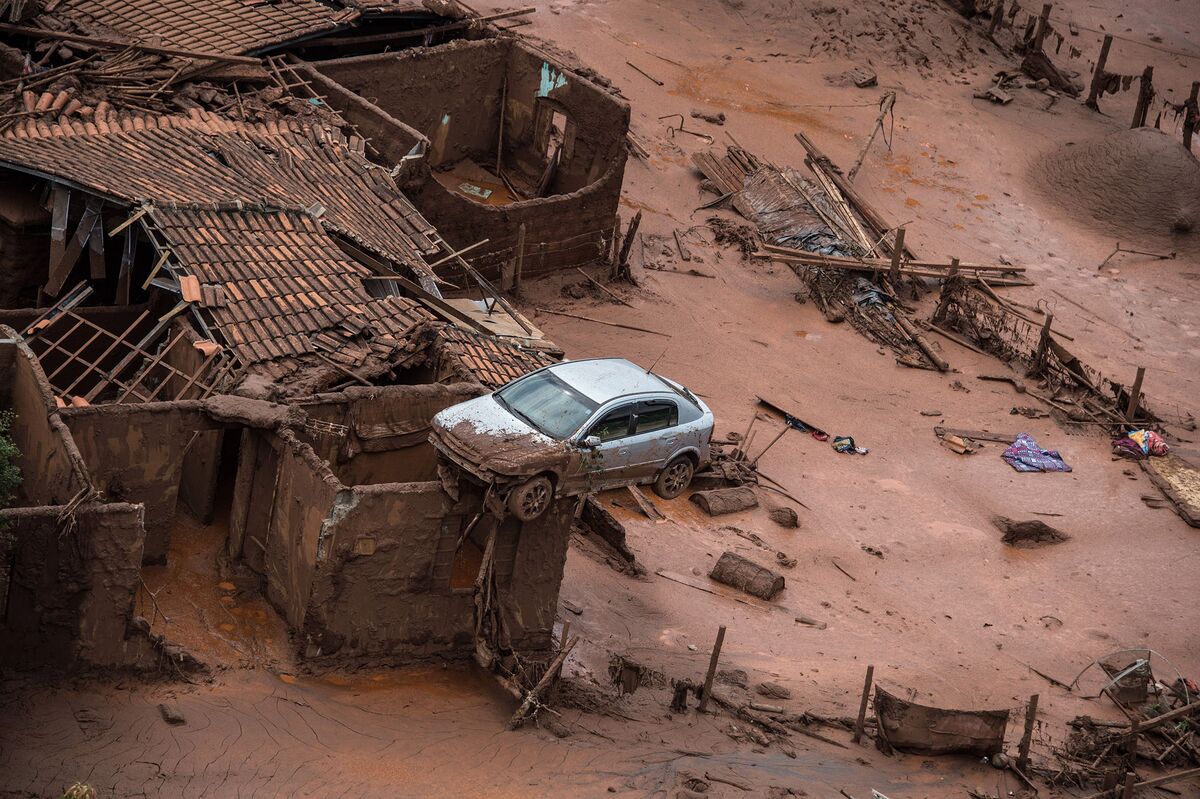
The Fundão dam collapse occurred in November 2015 in the Brazilian state of Minas Gerais. Millions of cubic meters of mining waste flooded nearby villages and waterways, causing severe environmental contamination and tragic loss of life. Rivers were polluted for hundreds of kilometers, impacting agriculture, fishing industries, and local economies throughout the region.
Samarco operated the dam, while BHP and Vale jointly owned the mining venture. Since the disaster, recovery and compensation programs have faced criticism from many affected residents who claim support has been slow or insufficient. Because of these concerns, legal action expanded beyond Brazil and eventually reached the United Kingdom courts.
The scale of the lawsuit is enormous. Thousands of claimants are involved, including municipalities, Indigenous communities, business owners, and families directly affected by the environmental destruction. The case has become a global example of how industrial disasters can create legal consequences that cross international borders.
Pogust Goodhead’s Strategy

Pogust Goodhead has played a central role in organizing and representing claimants throughout the proceedings. The firm is known for handling complex international litigation and argues that companies operating globally should remain accountable regardless of where environmental damage occurs.
Supporters of the lawsuit believe the case could establish important legal precedents for future environmental claims. If courts decide that multinational corporations can face major legal consequences abroad, businesses may face increased pressure to improve environmental safety standards and risk management practices.
BHP continues to defend its position during the trial. The company argues that compensation and remediation programs already exist in Brazil and maintains that it has supported recovery initiatives over the years. However, many claimants insist that the existing measures have not fully repaired the social, economic, and environmental damage caused by the disaster.
Why The Trial Matters Globally
The damages trial is not only important for the affected Brazilian communities but also for the broader corporate world. Investors, environmental organizations, and legal experts are closely monitoring the proceedings because the outcome could influence future international lawsuits involving mining, energy, and infrastructure industries.
For many families impacted by the Mariana tragedy, the case represents more than financial compensation. It symbolizes recognition, accountability, and the hope that similar disasters can be prevented in the future through stronger oversight and corporate responsibility.